


つま先にパルスオキシメーターを使用する方法?
-
 2023-04-22
-
LEPU


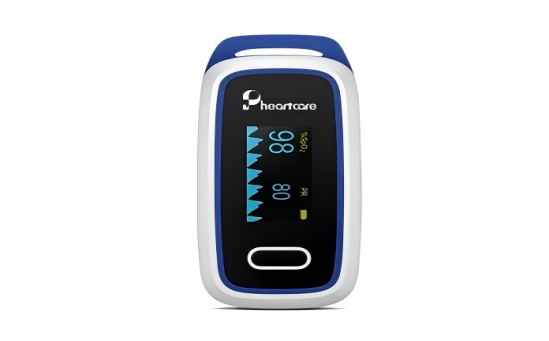
Pulse oximeters have become increasingly popular in recent years, especially during the ongoing COVID-19 pandemic. These small devices are used to measure the oxygen saturation levels in a person's blood, providing valuable information about their respiratory health. While many people are familiar with using a pulse oximeter on their finger, some may wonder if it's possible to use one on their toe. In this article, we'll explore the answer to that question and discuss some important considerations to keep in mind.
つま先にパルスオキシメーターを使用できますか?
First and foremost, it's important to note that pulse oximeters are designed to be used on the fingers, also known as 指先オキシメーター, as they provide accurate readings and are the most convenient location for most people. However, there are situations in which using a pulse oximeter on the toe may be necessary. For example, in cases where a person has poor circulation in their fingers, such as in individuals with Raynaud's disease or peripheral artery disease, a toe may be a better option.
In terms of safety and effectiveness, using a 指先パルスオキシメータ on the toe can be both safe and effective, but there are some important considerations to keep in mind. Firstly, it's essential to make sure that the pulse oximeter is designed to be used on the toe. Not all pulse oximeters are created equal, and some may not be accurate when used on the toe. Look for a pulse oximeter with clear instructions that can be used on toes, such as the pc60b1 pulse oximeter of Lepu Medical, and ensure that the manufacturer's instructions are carefully followed.
It's also important to keep in mind that the readings obtained from a pulse oximeter on the toe may be slightly different than those obtained from a pulse oximeter on the finger. This is because the circulation in the toe may be slower or less consistent than in the finger, which can affect the accuracy of the readings. However, in most cases, the difference in readings is likely to be small and not significant enough to cause concern.
つま先にパルスオキシメーターを使用する方法は?
If you've determined that using a pulse oximeter on your toe is necessary, there are some important tips to keep in mind to ensure accurate and safe readings:
正しいパルスオキシメータを選択してください: 前述のように、すべてのパルスオキシメータがつま先で使用されるように設計されているわけではありません。 この目的のために特別に設計されたパルスオキシメータを探します。
Choose the right toe: While it may seem like any toe will do, it's important to choose the right one. The big toe is typically the best option, as it tends to have the most consistent circulation.
つま先が暖かいことを確認してください。つま先が冷たいと循環に影響を及ぼし、パルスオキシメーターの測定値の精度に影響を与える可能性があります。 読書をする前に、温水に入れるか、温かい湿布を使用して、つま先が暖かいことを確認してください。
Position the pulse oximeter correctly: The pulse oximeter should be placed on the top of the toe, just like it would be on a finger. Make sure it's snug but not too tight, and that the sensor is aligned with your nail bed.
Keep still: It's important to remain still while taking a reading, as movement can affect the accuracy of the results. Sit or lie down and relax while taking the reading.