


冠状动脉性心臓病のステント留置の5つの误解
-
 2021-10-18
-
LEPU


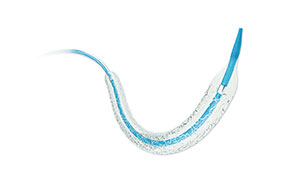
Drugs, stents (coronary artery stenting), surgery (coronary artery aortic bypass grafting, also known as "coronary artery bypass grafting") are the current three mainstays of CHD treatment.
冠状動脈性心臓病および急性心筋梗塞の発生率が年々増加しているので、冠状動脈内ステント移植もまた、より一般的になっている。 ステントは、病変の血管狭窄を緩和し、冠状動脈の血流を改善して、心筋虚血を緩和するという治療目的を達成できるため、病変が重い特定の集団の薬剤よりも効果が大幅に優れています。 しかし、医療用ステント会社の理解が不足しているため、多くの患者が人生に多くの懸念を抱いています。 最も一般的な5つの誤解を以下に説明します。
神話1: 薬物溶出 (コーティングされた) 冠状動脈ステントは、ベアメタルステントよりも確かに優れています。
金属ステントは、クリニックで最も一般的に使用されるステントであり、主に薬剤溶出 (コーティング) ステントとベアメタルステントに分けられる。 薬剤溶出 (コーティング) ステントとは、ラパマイシンやパクリタキセルなどの特別な抗内皮過形成薬がステントの表面にコーティングされていることを意味し、ステント内の急性または亜急性血栓症を防ぐことができます。 再狭窄率は、ベアメタルステントの再狭窄率よりも著しく低い。 現在、診療所に埋め込まれた金属ステントの90% 以上がこのタイプのものである。 その欠点は、手術後少なくとも1年間は二重抗血小板薬を服用しなければならないことです。
患者が腫瘍や他の病気のために最近の手術を必要としたり、抗血栓治療の時間と強度を短くする必要があるなど、いくつかの特別なケースでは、この時点でベアメタルステントが好ましいはずです。 ステントのタイプの選択は、患者の特定の状態に基づいて、薬剤ステントを移植するのではなく、心血管の専門家の意見を求めるべきである。
神話2: 冠状動脈ステント移植後に運動しないでください。そうしないと、ステントの変位につながる可能性があります。
ステントを移植した後、多くの患者は、ステントがシフトするかどうか、激しい運動の後に倒れるかどうか、そして慎重に服を着ることさえ常に心配します。 実際、この懸念は不要です。 ステント移植操作が滑らかであり、ステントが手術中によく付着する限り、日常生活や運動にはまったく影響しません。
After the stent produced by 心臓ステント会社 is implanted into the body, with the extension of time (a few months to a year), the cells on the coronary artery will grow and migrate, and finally cover the surface of the whole stent, making the stent a part of the human blood vessels. At this time, no matter how violent the activity is, it will not make the stent shift or fall out. It is generally recommended that physical exercise should begin one month after operation, and moderate and low-intensity exercise such as jogging is appropriate, rather than strenuous exercise.
神話3: 移植された冠状動脈ステントで再狭窄が発生した場合は、体から除去する必要があります。
神話3: 移植された冠状動脈ステントで再狭窄が発生した場合は、体から除去する必要があります。
薬剤溶出ステントの利用可能性は冠状動脈再狭窄の可能性を大幅に低下させたが、様々な理由により、少数の患者が依然としてステント再狭窄を有する。
前述のように、時間が経つにつれて、ステント表面の内皮化および内膜被覆は冠状血管の一部となり、身体から除去することができなくなっている。 このとき、冠状動脈ステントや冠状動脈バイパス移植にステントを入れることで問題を解決できます。
神話4: 冠状動脈ステント移植後にMRIを行うことはできません。
At present, the vast majority of 心臓ステント会社 have specified whether they can accept nuclear magnetic resonance (MRI) examination in the product instructions. Most coronary artery stents used clinically are made of 316L stainless steel or nitinol alloy. A few stents may contain platinum, cobalt alloy, gold, tantalum, etc. Most coronary stents show non ferromagnetism or weak magnetism. Non magnetic stents can accept MRI examination after 2 weeks. It is safe to accept MRI examination after 6 weeks. Only a few models of stents show magnetism in 3T.
神話5: 冠状動脈ステント移植後、あなたはもはや長い間薬を服用することはできません。
Many patients mistakenly think that once the stent is placed, they can do it once and for all, and stop all oral drugs. The consequence is that the thrombosis in the stent will form again, restenosis will happen, and even lead to acute myocardial infarction, which is life-threatening. Drug therapy is the basis of all coronary heart disease treatment. Whether stent implantation or coronary artery bypass grafting is selected, drug therapy is indispensable. After receiving stent implantation treatment, patients with coronary heart disease should not take it lightly and take medicine on time according to the doctor's advice.