


心電図機の仕組み
-
 2024-01-15
-
LEPU


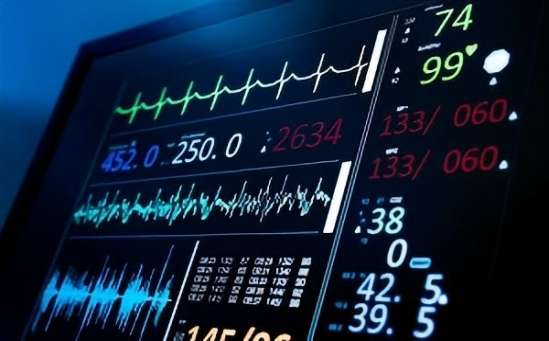
心電図 (ECG) マシンは心臓病学の分野に革命をもたらし、医療専門家がさまざまな心臓の状態を正確かつ正確に診断および監視できるようにしました。 このブログ投稿は、心電図装置の内部の仕組みに光を当て、現代の医療におけるそれらの基本原則と重要性を探求することを目的としています。
心電図 (ECG) マシンの基本を理解する
Electrocardiogram machines, often referred to as EKG or ECG machines, are medical devices used to record the electrical activity of the heart. They play a crucial role in diagnosing heart diseases and arrhythmias by detecting any abnormalities in the heart's electrical signals.
The primary component of an ECG machine is a set of electrodes that are attached to different parts of the patient's body, typically the chest, arms, and legs. These electrodes act as sensors and pick up the electrical signals generated by the heart's conductive tissues.
ECG分析のステップバイステップのプロセスを探る
Once the electrodes are in place, the ECG machine records the electrical signals and converts them into graphical representations called electrocardiograms. These waveforms are then interpreted by healthcare professionals to identify any irregularities in the heart's functioning.
ECG分析のプロセスは次の重要なステップから成っています
信号取得
The electrodes capture the electrical impulses generated by the heart, which are then transmitted to the 电子ECGマシンを使用します。 マシンは、信号が正確に、干渉やノイズなしで送信されることを保証します。
信号増幅とフィルタリング
ECGマシンは、記録された信号を増幅およびフィルタリングして、その明瞭性を高める。 このステップにより、不要なノイズやアーティファクトが除去され、正確で信頼性の高い結果が得られます。
信号変換と表示
The amplified and filtered signals are converted into a visual representation using a graphical display. Electrocardiograms are typically presented as a series of waves, each representing different phases of the heart's electrical activity.
解釈
The healthcare professional analyzes the electrocardiogram to assess various aspects of the heart's function, including the rate and rhythm of the heartbeat, the presence of any abnormalities, and indicators of heart conditions such as myocardial infarction or arrhythmias.
現代のヘルスケアにおける心電図装置の重要性
心電図装置は、さまざまな心臓の状態を診断および監視するための重要なツールです。 その重要性は、医療専門家に不可欠な情報を提供し、早期発見と適切な治療を容易にする能力にあります。
ECG machines aid in diagnosing conditions such as atrial fibrillation, myocardial infarction, ventricular arrhythmias, and many other cardiac abnormalities. They also play a crucial role in assessing patients' response to medications or cardiac interventions, allowing for timely adjustments or interventions when needed.
結論として、心電図装置は現代の医療に不可欠なデバイスであり、医療専門家が心臓の電気的活動を正確に分析および解釈できるようにします。 これらの機械は、心臓の状態に関する貴重な洞察を提供することにより、心臓病の早期発見と正確な治療を支援します。 技術が進歩し続けるにつれて、心電図装置は間違いなく人間の健康と幸福を守る上でますます重要な役割を果たすでしょう。